


Slips Trips and Falls Toolbox Talk: The Injuries Nobody Thinks Will Happen…
Until They Do
A warehouse worker rushes around a corner carrying stock.
A hotel employee walks across a freshly cleaned floor.
A retail assistant steps over a cable instead of moving it.
None of them expected to end the day injured.
That is the problem with slips, trips and falls.
They usually happen during ordinary work. Not dramatic emergencies. Not high-risk tasks. Just routine moments where attention slips for a few seconds. And in many South African workplaces, those few seconds can lead to:
injuries,
lost productivity,
staff shortages,
investigations,
or serious financial pressure on the business.
This month’s toolbox talk is not about “being careful.” It is about helping your team understand how small daily habits create either:
a safer workplace,
or
the next incident.
Why Teams Stop Taking This Seriously
As a safety officer or supervisor, you have probably seen this before. You start the slips trips and falls toolbox talk. Some employees engage. Others stare into space. Some think:
“This won’t happen to me.”
That mindset is dangerous.Because slips, trips and falls are often caused by familiarity. People stop noticing hazards they see every day:
wet entrances,
loose cables,
uneven flooring,
blocked walkways,
poor lighting,
worn shoes,
rushing,
distractions.
Over time, unsafe conditions become “normal.” Until somebody gets hurt.
The Real Leadership Test
Good safety leadership is not about shouting rules across the floor. It is about creating awareness before something goes wrong.
That means:
correcting hazards immediately,
involving the team,
asking questions,
and refusing to ignore unsafe behaviour simply because “nothing has happened yet.”
Your team watches what leadership tolerates. If supervisors step over hazards instead of fixing them, staff will do the same. Culture is built through repeated behaviour. Not posters alone.
Why Slips Actually Happen
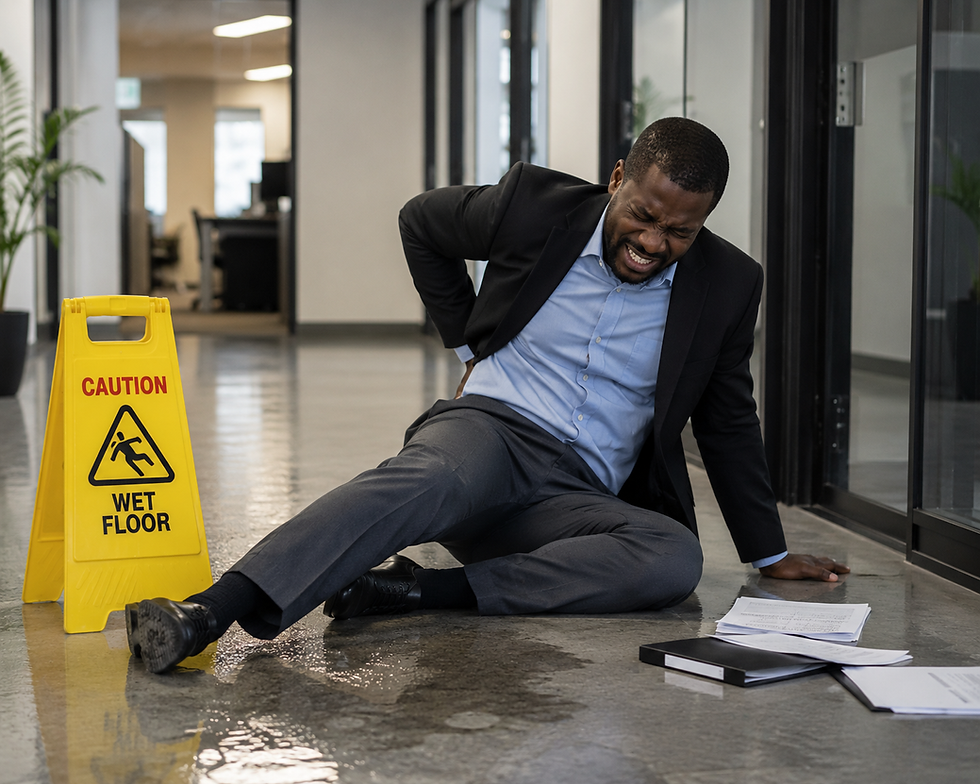
Research shows slips often happen when friction changes unexpectedly between footwear and the floor surface. That includes:
wet floors,
oil,
dust,
powder,
smooth tiles,
or sudden surface transitions.
The RITE toolbox poster also highlights how many incidents happen during routine activities and distractions.
In other words:
Most people are not injured because they intended to take risks. They were distracted, rushed, tired, or simply too comfortable.
Practical Questions to Ask Your Team
Instead of reading through safety points like a checklist, start conversations.
Ask:
Which areas become slippery during rain?
What hazards have become “normal” here?
Where do people rush most often?
Which walkways are usually blocked?
Are staff reporting hazards quickly enough?
What shortcuts are putting people at risk?
People engage more when they help identify the problem themselves.
Simple Habits That Prevent Injuries from the Slips, Trips & Falls Toolbox Talk
The RITE toolbox talk poster focuses on practical daily actions such as:
cleaning spills immediately,
wiping feet before entering dry areas,
checking mats and rugs,
using handrails,
reporting hazards,
wearing proper footwear,
and staying alert during routine tasks.
Simple habits prevent serious incidents.
Consistency matters more than complexity.
The Message Your Team Needs to Hear
Tell your team this:
“Most slips, trips and falls happen during normal work activities. That’s why awareness matters. We protect each other when we deal with small hazards before they become serious injuries.”
That is what real safety leadership looks like.
Not paperwork.Not fear.Not blame.
Attention. Accountability. Action.


Comments